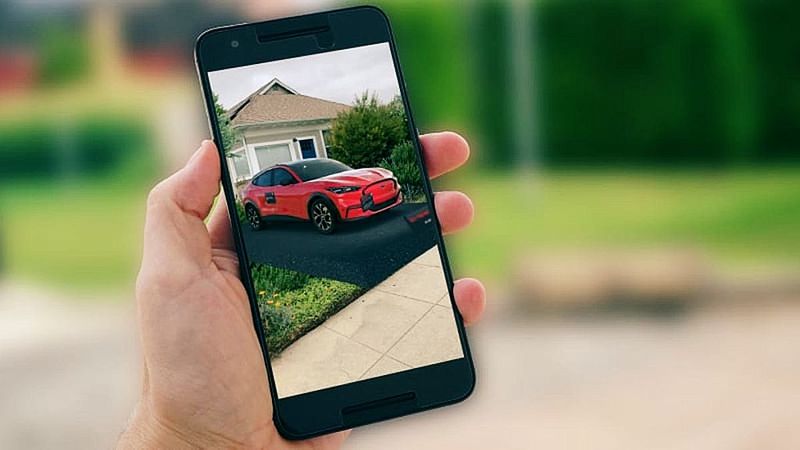
Intro
My favorite company meetings always start with:
# One day at Yahoo
Manager: "Folks! We are going to make AR/XR ads for the Automotive industry!"
The reasons why are listed here:
- To explore things one has no idea about
- Research & Development
- Creative discussions following
- The people you meet/collaborate with in the process
Composer
RYOT/Yahoo folks were developing a proprietary platform (now defunct) called Composer. Personally, I was very much involved with Composer and its development in the following fields (but not limited to):
- 3D model ingestion
- Premium Lighting System
- Shader Library
Premium Lighting
The Premium Lighting feature was, in essence, very simple: develop a lighting environment that would allow users to ingest their own 3D AR models and make them look smashing!
To achieve this, I explored what’s what in lighting. Lighting is not a light topic (pun intended). It’s a complex field of research in the visual domain, requiring tremendous effort to master. Companies dealing with VFX and visuals often employ entire departments to tackle this topic.
iOS vs Android
One of the first surprises, which kept me going for a little while, was the light direction incongruence between mobile platforms, namely iOS and Android.
The story was simple: Given an environment map (PBR), the model looked “good” on only one platform and poorly on the other, and vice versa. To test this, I developed a light catcher—I know, I’m not the most creative person when it comes to naming. The light catcher’s aim was to tell me:
- Where the light is coming from
- How strong it is
And I got two answers:
- Light on iOS is rotated by 180 degrees, making the light come from “the other side.”
- The scene tone mapping needs to be adjusted to get approximately the same intensity and keep the white/black values in check.
Solved.
Houdini Lighting
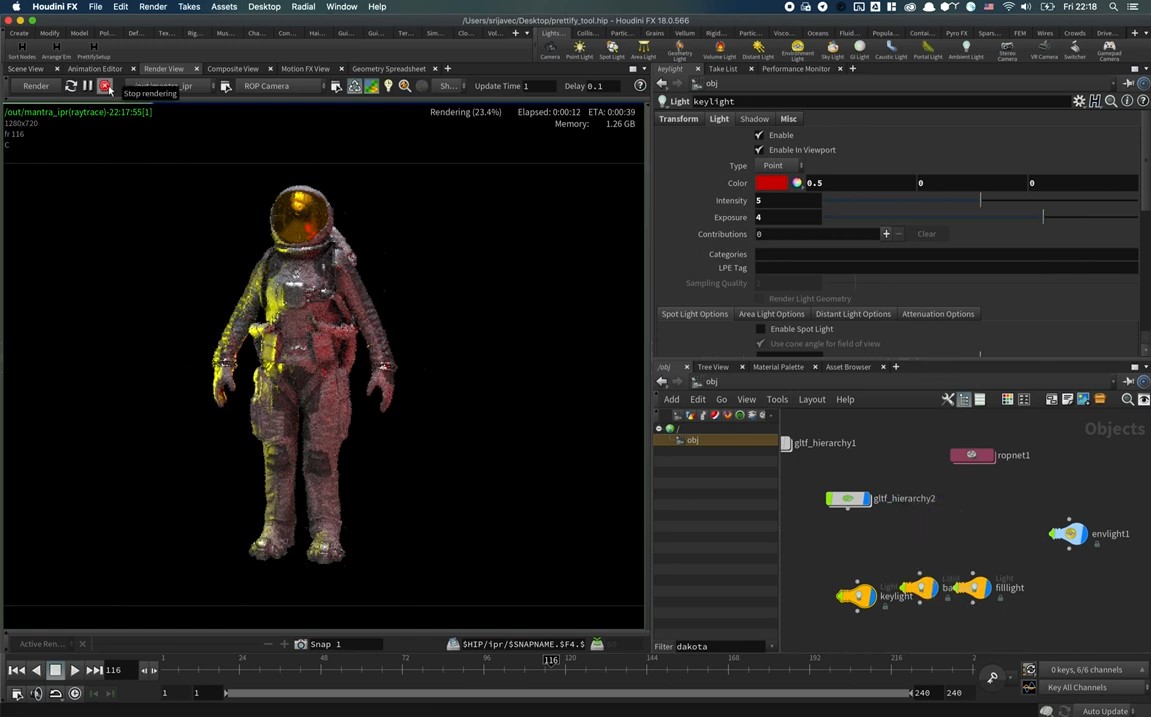
Houdini greatly assisted in developing these “pretty filters.” The only snag was the implementation of the glTF exporter for Houdini. Once that was solved, I truly understood the importance of pipelines—especially pipelines that work! Setting up lighting systems in Houdini and mirroring them in Composer became a one-click operation. NB: The astronaut model comes from the Smithsonian Institute.
Premium Lighting in Action
Here is a recording of the Premium Lighting in action on a toaster model.
Premium Lighting for Automotive
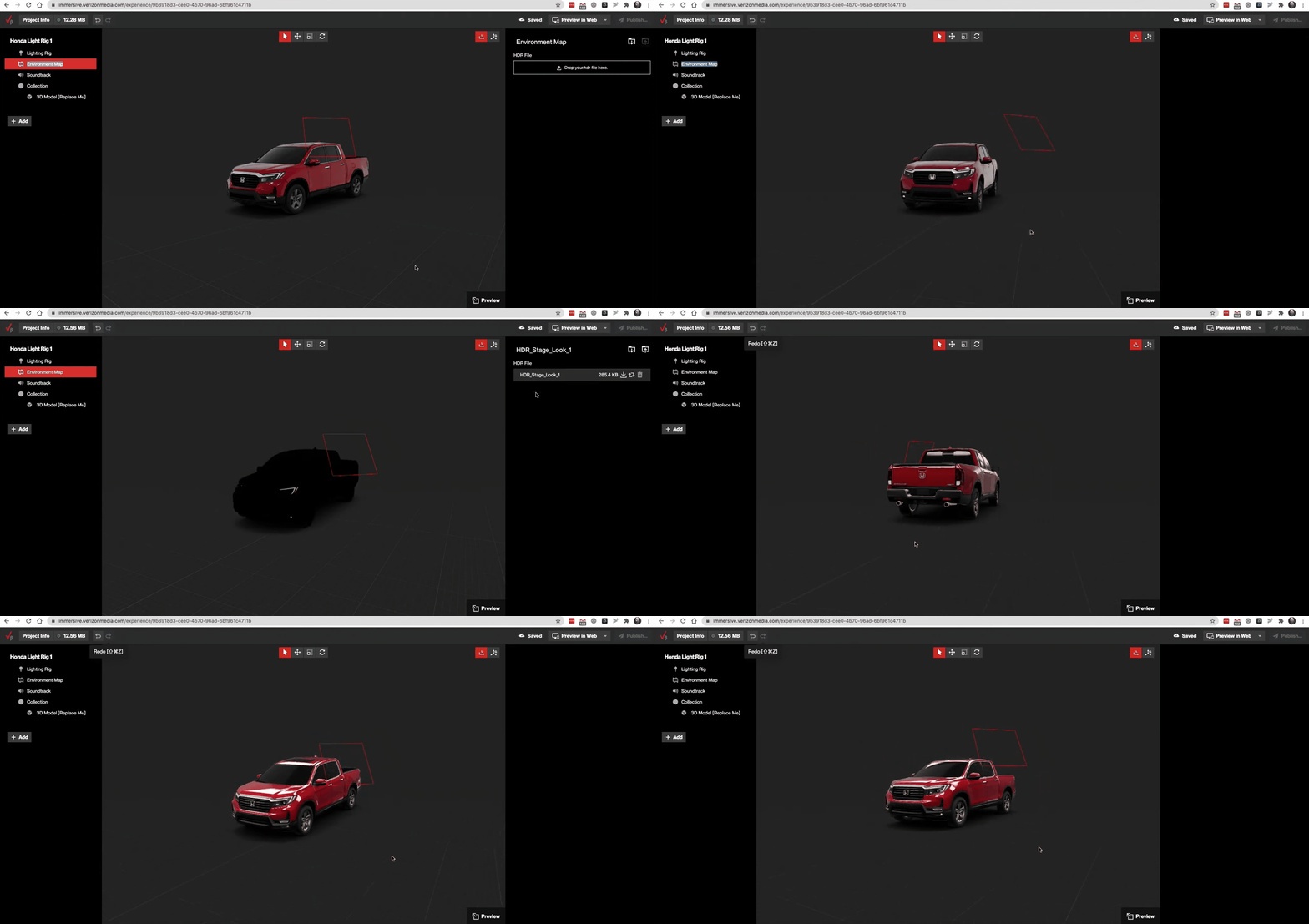
Lighting for automotive is different. Just different. In my experience, it’s a whole other book in the lighting genre. So AR ads at Yahoo required a different light setup for automotive.
Features
Once the model ingestion and lighting were covered, it was time to add features to the automotive AR experience. Little things that make the experience more visually rich, like how the model appears in the scene.

Or a library of clear coat shaders
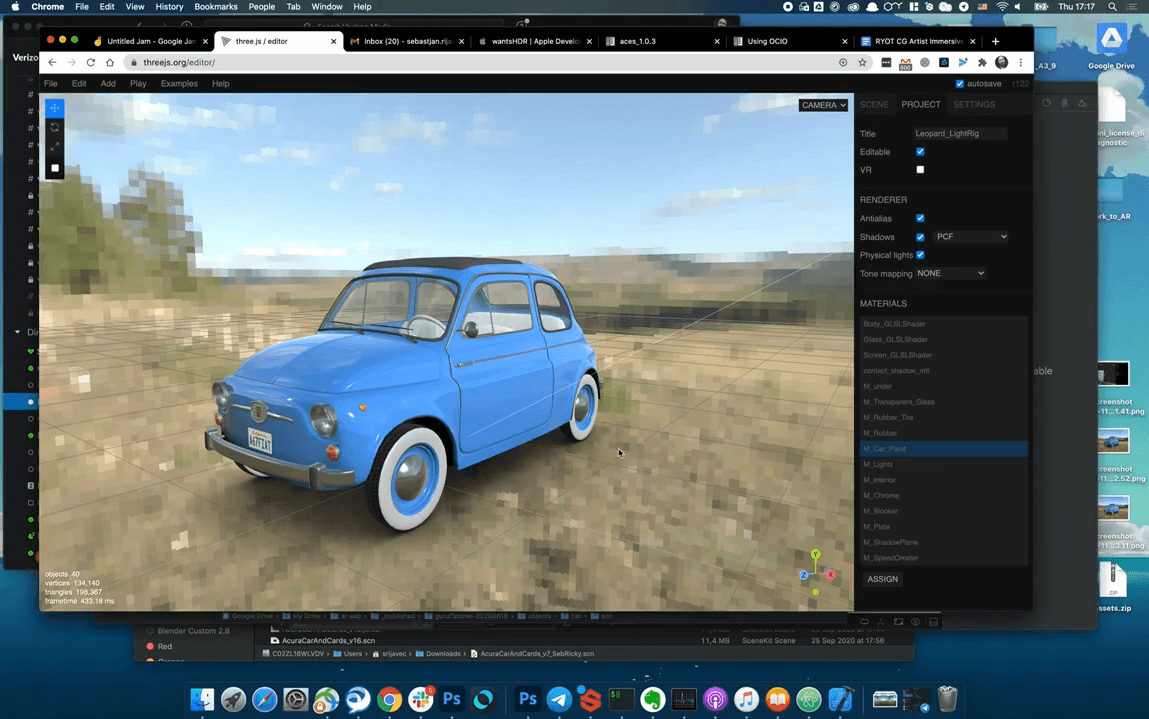
Or color-changing features. Here is an inside peek at one of these systems being developed in Blender:
Result
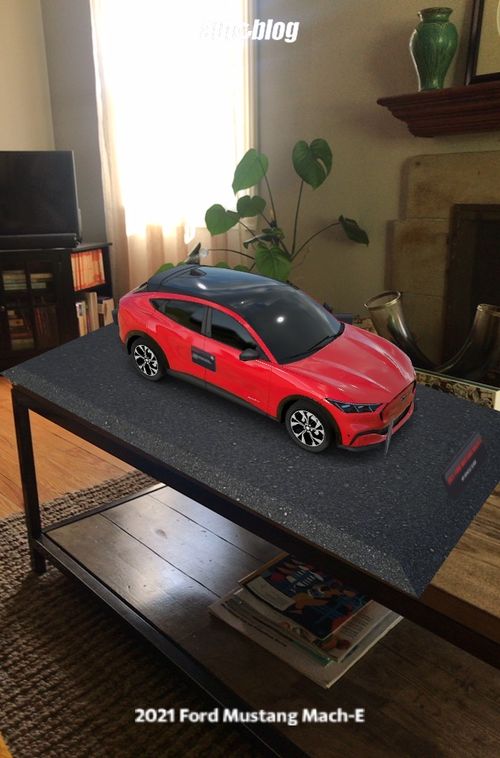
Here is a snap from the Ford Mach-E
campaign, 2021.