Intro
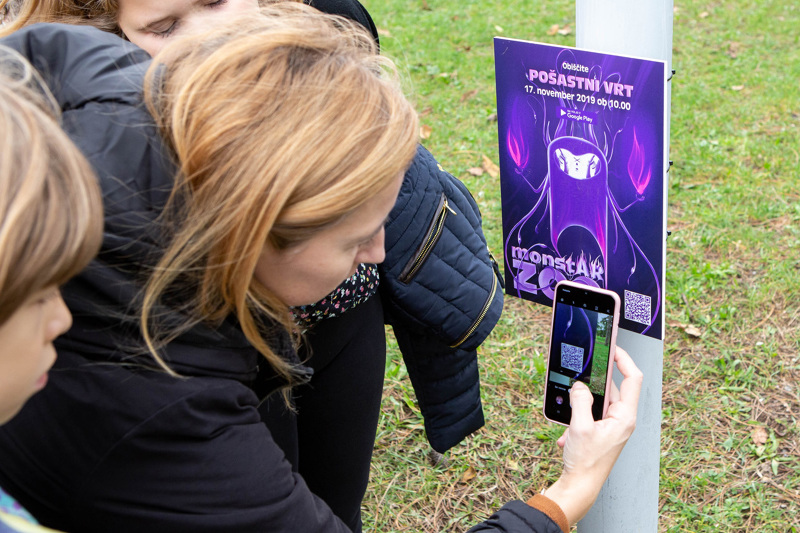
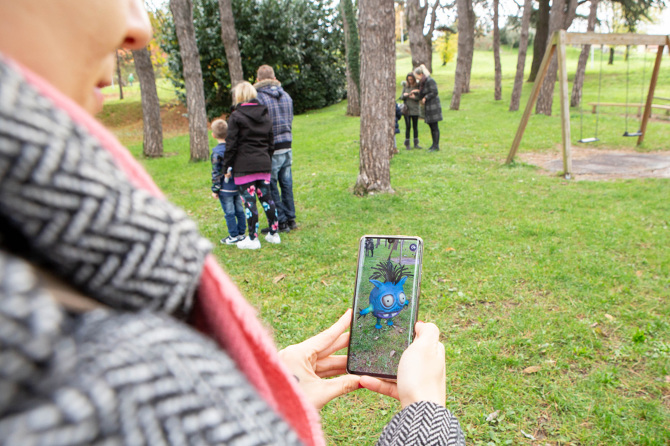
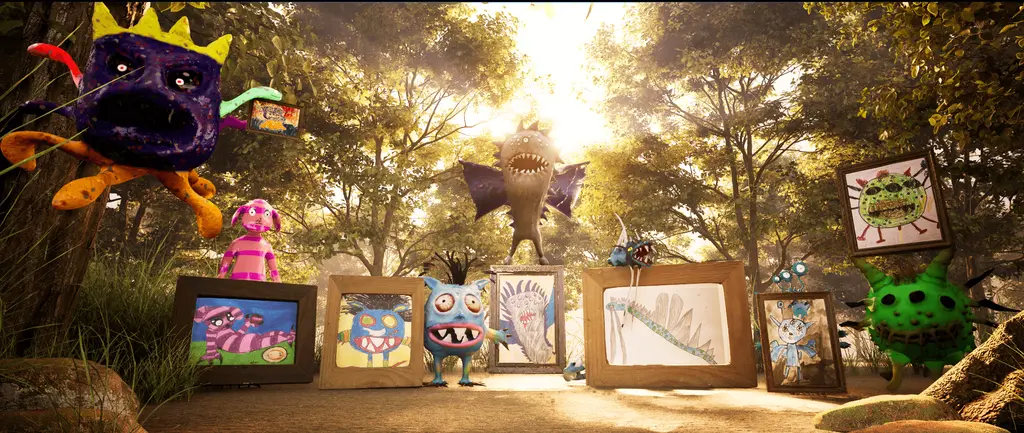
MonstAR zOO! is a parallel world in which the worst monsters come to life, and through technology, we can safely observe and face them. The project was developed by the multimedia artist Valerie Wolf Gang Valerie Wolf Gang in cooperation with the creative agency AKEO .
The Characters
One sunny and hot day, I met with the fantastic people at AKEO, where I was handed a big brown envelope with instructions to hide it—mafia style—and to NOT open it until I was home. And someone mentioned to me sideways: “Be sure you are not followed.” Of course, this description of the events might be an exaggeration.
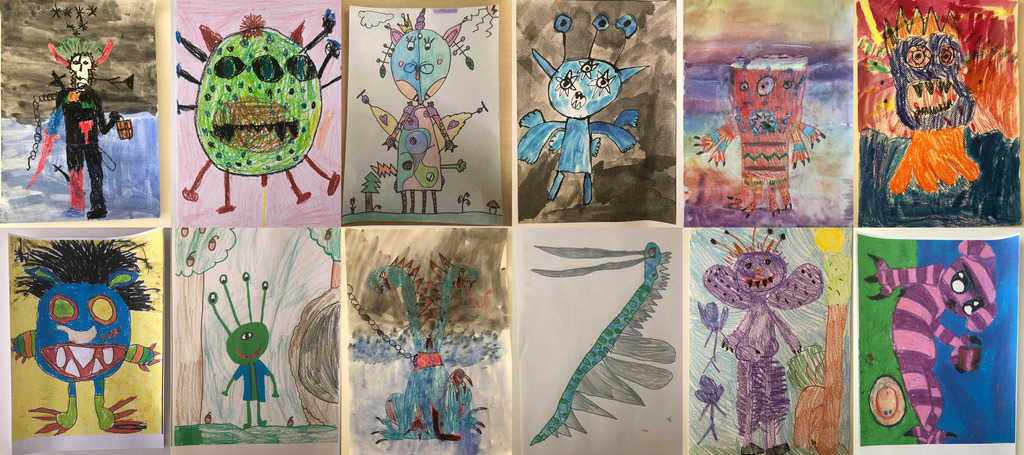
A short drive home and the opening of the envelope: OHOOOO! A collection of children’s drawings, with instructions to model them in 3D and prepare them to be ingested in an AR environment via Unity (with approximate polygon count estimation).
The Sculpting
I am very used to technical modeling, which is usually a complex process of figuring out proportions and perspective distortions. In this case, though, the process was much more lighthearted and enjoyable.
I started by figuring out the general size/scale of the characters. Some are big, some are huge, and some are tiny. Also, this was only one of the metrics on how we set the sizes up. The second was screen size. What one wants from these sorts of things is to see the character well when they pop up in the AR space. This approach brought the character sizes more uniformly together.
The process of sculpting was divided into 3 major steps:
- Big shapes
- Medium shapes
- Details
What was really important in this process was to highlight 2 things:
- The imagination of the children. Recognizability of their drawings in 3D.
- Amount of Scary?
The Problem: Amount of Scary?
One of the questions that kept popping into my mind was: How scary should these devils look? In effect, this was the one and only point the Art Director at AKEO pointed out in my delivery. Too scary! This point particularly stuck with me to this day. It fascinates me how important the context of where one is while making something can be. In my case, because I had to become a child to make these monsters in 3D, where my imagination would flow with the painted references, it was easy to lose that fine balance and go into “too-scary” mode.
Lesson learned!
Texturing
Texturing was real fun. It was clear to me that in order to maintain visual consistency, I had to invent/reinvent a texturing method. Actually, I just had to remember it. I went back to my early age and recalled the techniques I used as a kid. Which meant almost no technique—just splat colors here and there, and something would stick. Which it did!
AR
The AR pipeline was pretty simple. Thanks to Houdini . Given that these characters are mainly watertight models, it was easy to convert them into volumes and remesh them with the tools in Houdini. I made a couple of nifty scripts to capture the big sloped edges of geometry, from where I could drive the retention attribute in the poly-reduction process. This approach would guarantee that shapes would be respected and not blurred out in case I had to go with an extremely low polycount.
A TOPs network was deployed for baking high-res to low-res, and et voilà, a structured folder hierarchy was zipped and uploaded to Google Drive for the developers at AKEO to use.
The Result
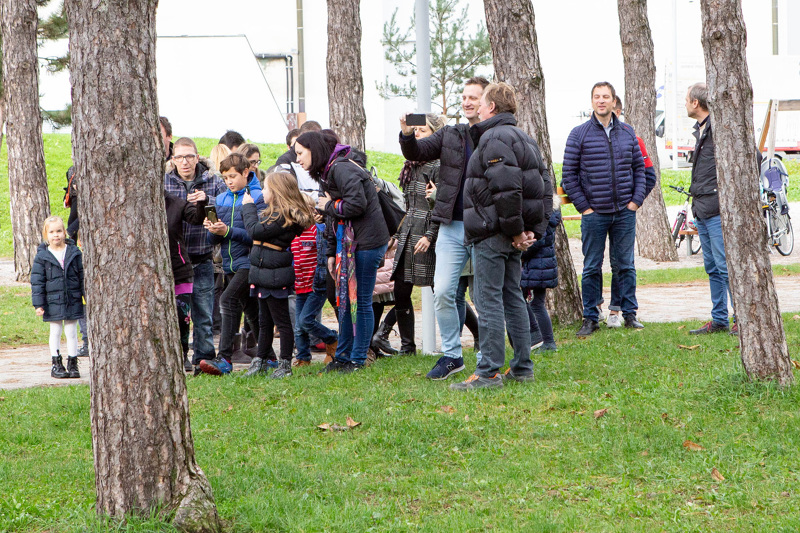
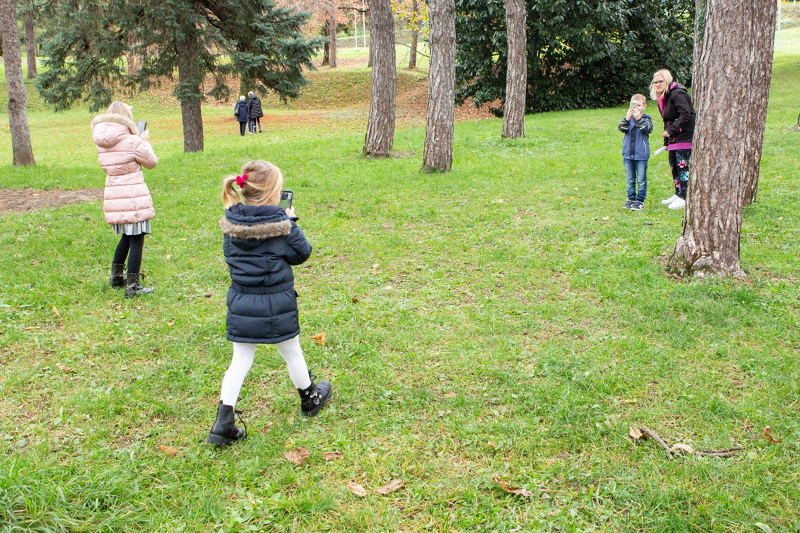
Unfortunately, for work-related reasons, I couldn’t attend the opening event, but I was told it was pretty cool.